
El Niño and Dayboro: Projected Impacts of the Anticipated 2026 Event on a Southeast Queensland Hinterland Community
Abstract
El Niño events drive some of the most significant climate variability across eastern Australia. With international forecast models reaching strong consensus on El Niño development between May and July 2026, and some agencies signalling the potential for a strong event, the implications for communities like Dayboro in the D'Aguilar hinterland of southeast Queensland are worth examining.
This paper reviews the physical mechanisms of El Niño, summarises current forecast data from the Bureau of Meteorology and international agencies, and analyses the historical record of El Niño impacts on rainfall, temperature, drought, bushfire risk, and agriculture in southeast Queensland. Dayboro (Bureau of Meteorology Station 040241) receives approximately 1,100 mm of annual rainfall in average years.
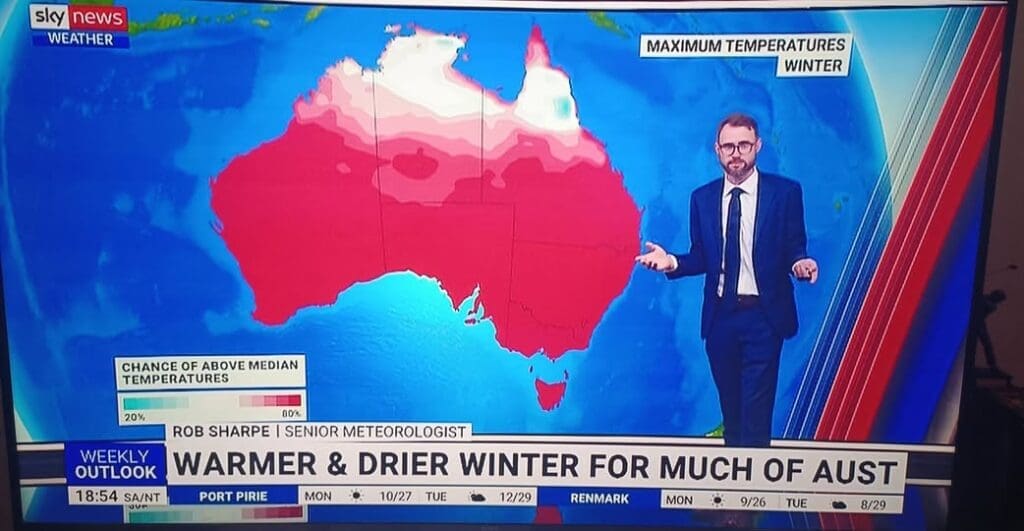
El Niño years historically bring below average winter and spring rainfall to the region, increased maximum temperatures, elevated bushfire danger, reduced stream flows, and crop yield reductions that typically reach 15 to 30 per cent for grain producers. The Indian Ocean Dipole provides a significant compounding influence, with positive IOD years amplifying El Niño drying.
What This Paper Covers
- What El Niño is and how it works
- The 2026 forecast: current BoM and NOAA status
- Historical El Niño impacts on Queensland rainfall, temperature, and drought
- How the D'Aguilar hinterland and North Pine Dam catchment are affected
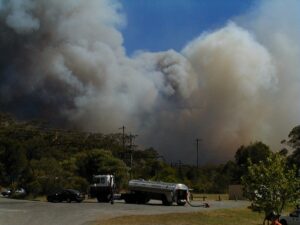
- Bushfire risk from La Niña-built fuel loads
- Agricultural and grazing impacts for Dayboro landholders
- The Indian Ocean Dipole as a key risk multiplier
- Practical adaptation actions before and after July 2026
Members Read the Full Paper
This research paper is available in full to Dayboro.au members. Membership gives you access to all climate research papers, long-range forecasts, farmers' almanac data, and the complete weather archive.
Become a MemberAlready a member? Log in here
Get Dayboro weather delivered to your inbox every morning: forecasts, garden tips, and local updates. Subscribe free →